In the coastal city of Qingdao, the aroma of roasted coffee is becoming as distinctive as its refreshing sea breeze. Within the Qingdao Area of the China (Shandong) Pilot Free Trade Zone (FTZ), coffee has grown beyond a simple beverage into a sophisticated industrial ecosystem spanning global logistics, advanced processing, and varied lifestyle consumption.
A new wave of integrated business models is changing the local scene. Hyper Park, a cafe in the Qingdao FTZ, illustrates this trend by combining retro automobile culture with specialty coffee. According to manager Sha Mengxuan, the space has become a cultural hub hosting auto exhibitions, art shows, film shoots, and live concerts.

Hyper Park, a cafe in Qingdao FTZ, blends specialty coffee with retro automobile culture. [Photo/WeChat account: qingdaozimao]
This trend is reflected across the city's more than 3,000 coffee shops, where caffeine is paired with everything from floral aesthetics and surfing culture to industrial-chic architecture and high-end Western cuisine. These diverse offerings have made Qingdao one of the top coffee markets in northern China.
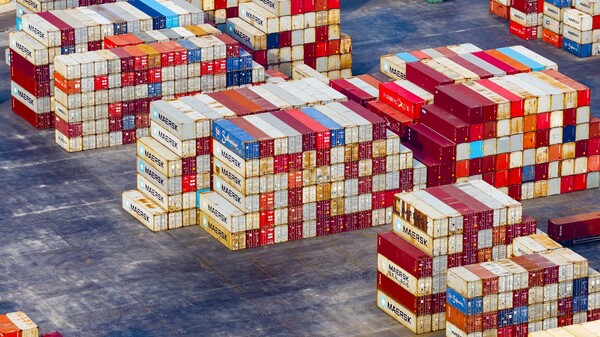
Supporting this retail growth is the robust logistical framework of the Qingdao FTZ. As northern China's largest container port, Qingdao Port in the zone manages around 13 percent of China's total coffee imports. With shipping routes directly connected to major coffee-producing regions in South America and Africa, the port has become a key entry point for coffee entering the northern market.
This supply chain efficiency is bolstered by policy innovation. The zone currently hosts over 80 warehousing enterprises and more than 1.2 million square meters of bonded warehouses. Under the bonded warehousing model, imported green coffee beans can be stored before customs duties are paid after sales, easing financial pressure on companies and improving capital turnover.

Qingdao Port handles around 13 percent of China's total coffee imports. [Photo/WeChat account: qingdaozimao]
Such a comprehensive industry environment has attracted leaders like Nestle and Luckin Coffee. These businesses have established a complete value chain in the area, spanning from green bean imports and roasting to advanced cold-chain distribution.
By integrating international trade, advanced manufacturing, and diversified cultural consumption, Qingdao FTZ not only facilitates the flow of goods but also shapes a new growth engine for China's coffee economy.


China (Shandong) Pilot Free Trade Zone Qingdao Area