


Internet blackout in Iran amid protests









Iran has suffered a large-scale internet blackout since Thursday night, as the country has been grappling with protests in several cities since late last month — including the latest in the capital Tehran — over the sharp fall in the rial and long-standing economic hardships.
On Friday, in a speech aired by Iranian state television, Supreme Leader Ali Khamenei urged Iranians to preserve unity, insisting that the Islamic Republic would "not back down" in the face of "mercenaries for foreigners" who tried to please the United States.
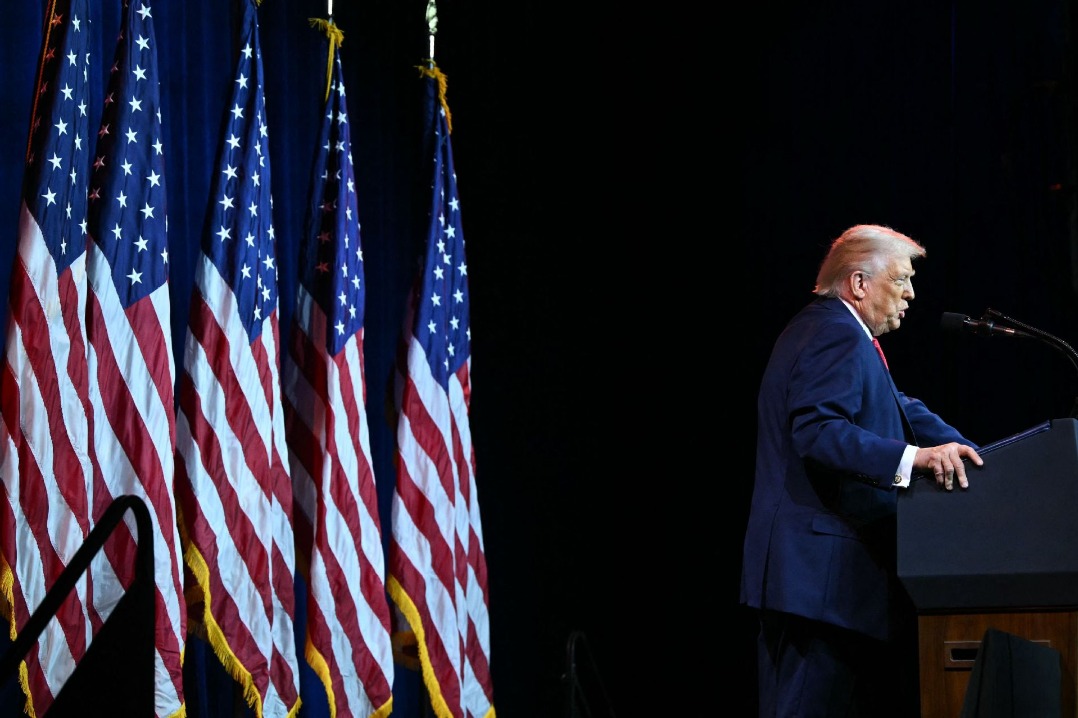
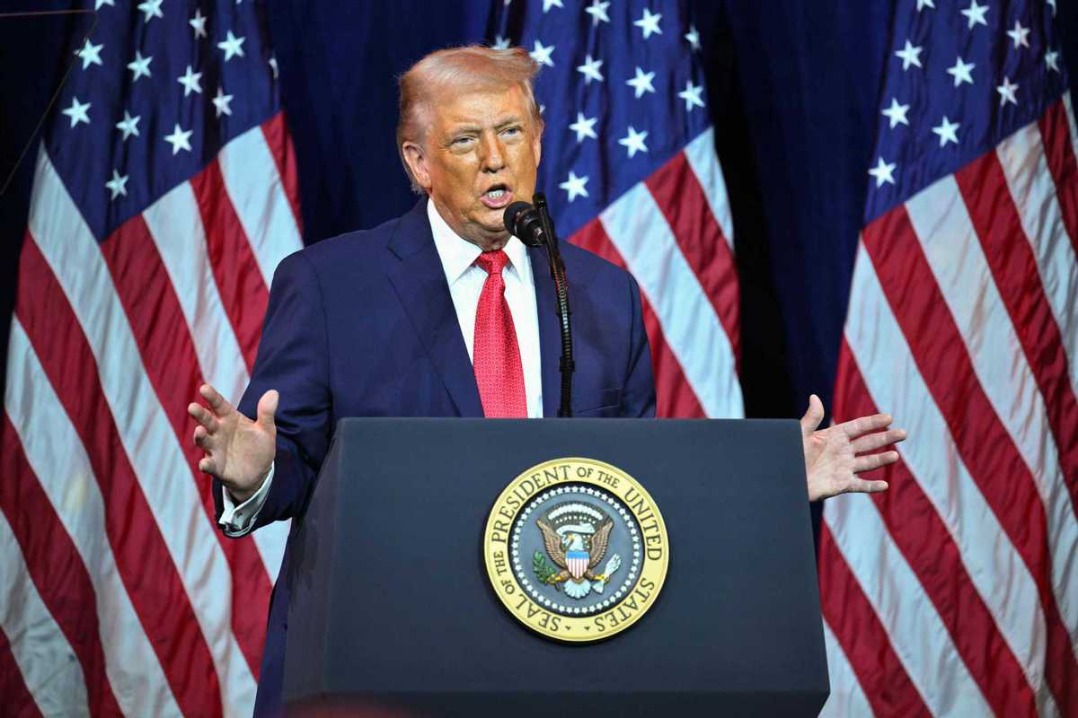
It came after US President Donald Trump on Thursday reiterated a threat to hit Iran "very hard" if its security forces open fire on protesters, seven months after Israeli and US forces bombed Iranian nuclear sites.
Speaking to supporters in his first comments on the protests since Jan 3, Khamenei said Trump's hands "are stained with the blood of more than a thousand Iranians" and predicted the "arrogant" US leader would be "overthrown" like the imperial dynasty that ruled Iran up to the 1979 revolution.
On Wednesday, Iran's Foreign Ministry also rebuked the "interventionist and deceptive" remarks by the Trump administration. In a statement, it said the comments reflected Washington's continued hostility toward the Iranian people, adding that they are part of a long-standing policy of pressure and interference, not genuine concern for the Iranians' welfare.
Khamenei earlier acknowledged the economic demands of protesters in the sanctions-battered country were "just" and warned there would be no quarter for "rioters".
Protesters have taken to the streets in cities and towns across Iran since Dec 28, after the rial plunged to a record low of 1.4 million to $1. At the time of Iran's landmark 2015 nuclear deal with world powers, $1 traded for 32,000 rials.
Since Thursday night, attempts to dial landlines and mobile phones from Dubai to Iran have not been successful, the media reported, and flights have been canceled. NetBlocks, which tracks global internet access, said on social media, "Live metrics show Iran is now in the midst of a nationwide internet blackout."
The blackout and protests continued on Friday in Tehran. Iranian state television reported on Friday morning that the protests had involved violence, causing casualties, with "people's private cars, motorcycles, public facilities including metro stations, fire trucks and buses set on fire".
A media tally, citing local media and official statements, shows at least 21 people, including security forces personnel, have been killed across Iran so far. The semi-official Mehr News Agency reported on Thursday that 23 police officers and one "rioter" were injured in clashes in Khorasan Razavi Province in recent days.
Iranian President Masoud Pezeshkian on Thursday called for "utmost restraint" in handling the demonstrations. "Any violent or coercive behavior should be avoided," he said in a statement, urging "dialogue, engagement and listening to the people's demands".
Meanwhile, the government has launched a new monthly subsidy equivalent to $7 (10 million rials) for purchasing basic goods at selected grocery stores. It said more than 71 million people will benefit from the program.
On Thursday, Iranian Foreign Minister Abbas Araghchi said Iran does not want war with Israel or the US, but is ready to fight back if attacked again.
He told reporters that Iran is also ready for negotiations with the US over its nuclear program as long as the talks are based on mutual respect rather than "dictation" by Washington.
cuihaipei@chinadaily.com.cn