


US tightens grip on oil after Caracas raid
Trump asserts control over Venezuelan crude as critics warn of colonization









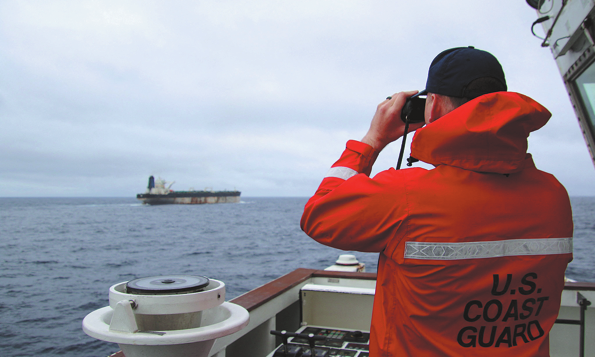
Expanding measures
In recent years, the US has further pointed to Venezuela's cooperation with rivals such as Russia and Iran, its alignment with "anti-US" governments, and so-called threats to regional stability as grounds for maintaining and expanding the measures.
Venezuela's oil industry was first nationalized in 1976 with the creation of state-owned Petroleos de Venezuela S.A. In the early 2000s, under president Hugo Chavez, the government sharply expanded state control over the sector.
Chavez's policies required US and other international oil majors to cede operational control, effectively reducing foreign firms to minority stakes.
Following these changes and amid a prolonged economic crisis, the US imposed sanctions targeting Venezuela's oil sector, broadly restricting business with the state oil company and limiting access to financing and critical equipment for energy projects.
Critics said the sanctions have compounded Venezuela's economic difficulties, contributing to a sharp decline in GDP per capita, which fell to about $4,200 in 2024 from more than $13,600 in 2010, according to the World Bank.
"Since 1947, the United States foreign policy has repeatedly employed force, covert action and political manipulation to bring about regime change in other countries," said Jeffrey Sachs, president of the United Nations Sustainable Development Solutions Network and director of the Center for Sustainable Development at Columbia University, at an emergency meeting of the UN Security Council on Monday.
He urged the US government to immediately cease the use of force against Venezuela.
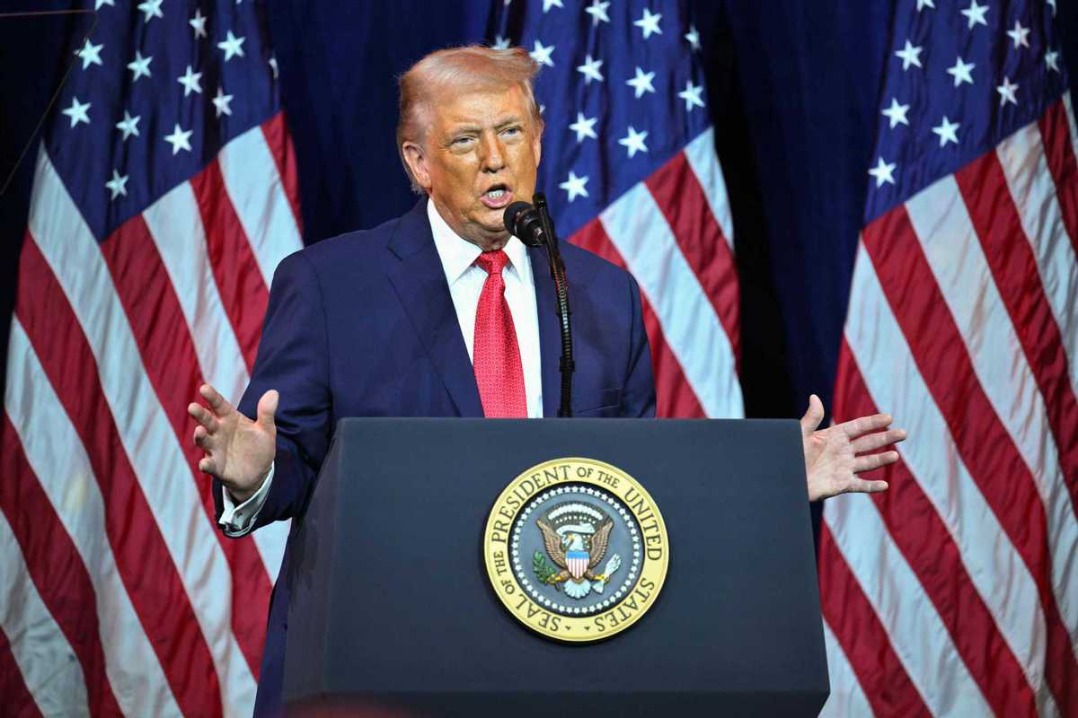
In another development, Trump said on Wednesday that he expects to meet Colombia's President Gustavo Petro at the White House soon.
Petro confirmed that he had a phone conversation with Trump for the first time since Trump's presidential term. The call lasted about an hour or more, he said.
Trump said he "appreciated" Petro's call and tone, three days after claiming that a US military strike against Colombia "sounds good to me".
Agencies and Xinhua contributed to this story.