


Visual album brings Qinqiang Opera to a broader audience










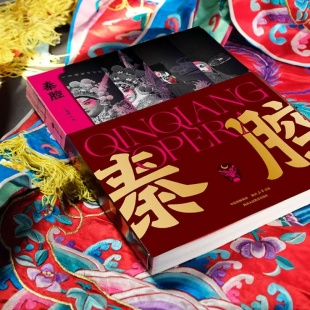
A comprehensive guide to Qinqiang Opera has recently been published by CITIC Press Group in Beijing. Titled Qinqiang Opera, the volume serves as both a systematic art companion and a collectible visual album, featuring over 300 high-definition stage photographs and detailed hand-drawn illustrations that offer readers an intimate look into the intricate artistry and its thousand-year evolution.
The publication represents a significant contribution to the urgent efforts to document and safeguard the intangible cultural heritage. Not only does it trace the art form's historical development over a millennium, but it also vividly captures the artistic lives and dedication of 14 national and provincial-level inheritors, highlights the stagecraft of 12 contemporary master performers, and explores the innovative work of nine key troupes and institutions. Together, these elements create a dynamic, contemporary archive of Qinqiang Opera as a living cultural tradition.
Author Ding Kemin, a researcher in Chinese opera arts, explains that Qinqiang Opera underwent transformative development in its musical and performative structure, reaching its zenith during the reigns of Emperors Kangxi and Qianlong in the Qing Dynasty (1644-1911), when it enjoyed nationwide influence.
Despite its rich heritage, most existing publications on the subject are aimed at specialists and professional troupes, leaving a gap in accessible, engaging materials for general readers. Thus, Ding created the book to bridge scholarship and popular understanding, blending ancient tradition with youthful appeal, and classic art with modern presentation.
The book aims to introduce Qinqiang Opera to a broader audience and bring the art form beyond professional circles, he says.