


Citizens shocked, traumatized amid port bombing









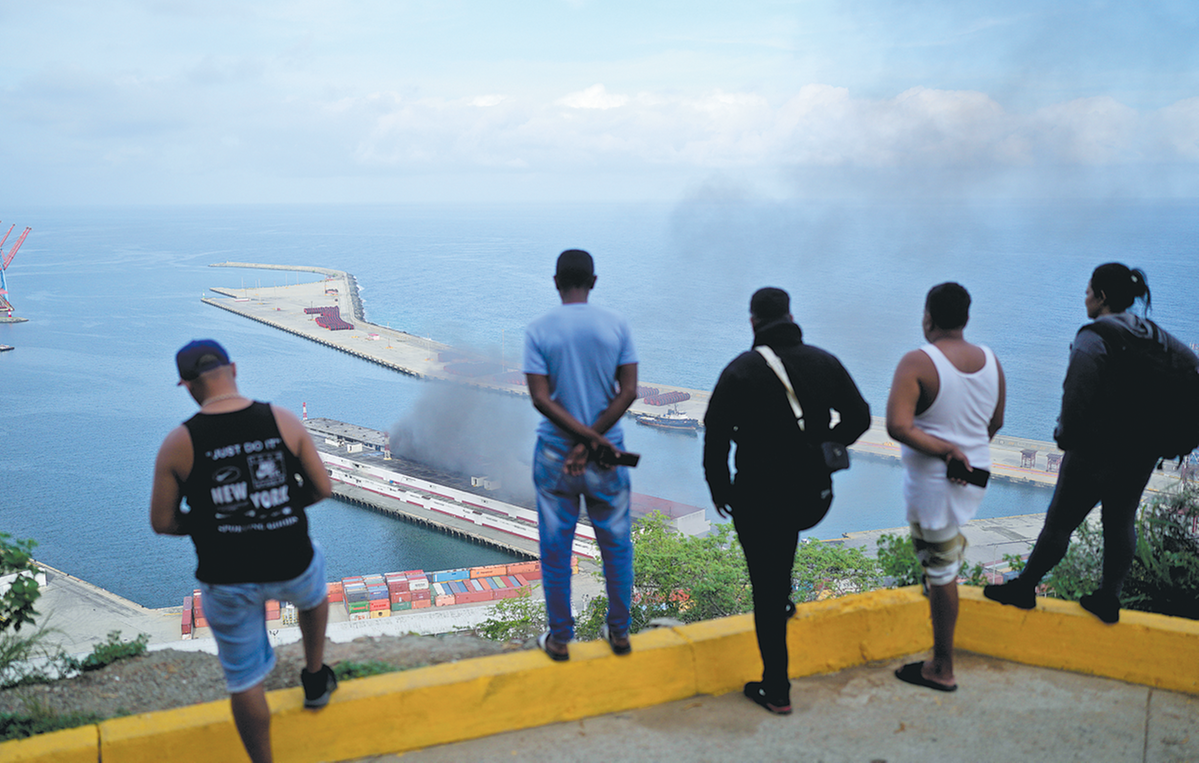
LA GUAIRA, Venezuela — Twelve hours after the United States bombed Venezuela during an operation to capture President Nicolas Maduro, the smoke continued to seep from hangars in the port of La Guaira north of Caracas.
La Guaira was one of several areas in or near Caracas struck by jets during a stealth mission to snatch Maduro and whisk him out of the country.
Deformed shipping containers, their contents spilling onto the docks, bore testimony to the force of the strikes that US officials said were designed to clear the way for helicopters to swoop in on Maduro's hiding place.
There were no reports of casualties in the area.
Firefighters used an excavator to remove broken glass and gnarled metal strewn across the site as police with pump-action rifles patrolled on motorbikes to prevent looting.
Curious onlookers filmed the scene on their smartphones, many still incredulous at the speed and magnitude of the day's events. In a little over an hour, US forces removed Maduro who had clung to power through years of United States sanctions.
The blasts blew out the windows of public buildings on La Guaira's seafront and ripped the roofs off several houses.
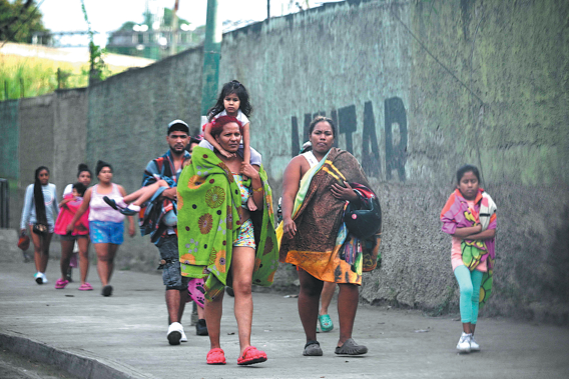
"Psssh, first we saw the flash and then the explosion," said Alpidio Lovera, 47, who ran to a hill with his pregnant wife and other residents to escape the strikes.
His sister Linda Unamuno, 39, burst into sobs as she recalled a nightmarish night.
"The blast smashed the entire roof of my house," she said.
Unamuno's first thoughts were that La Guaira was experiencing another natural disaster, 26 years after a landslide of biblical proportions swept away 10,000 people, many of them washed out to sea.
"I went out, that's when I saw what was happening. I saw the fire from the airstrikes. It was traumatizing," she sobbed, adding she "wished it on no one".
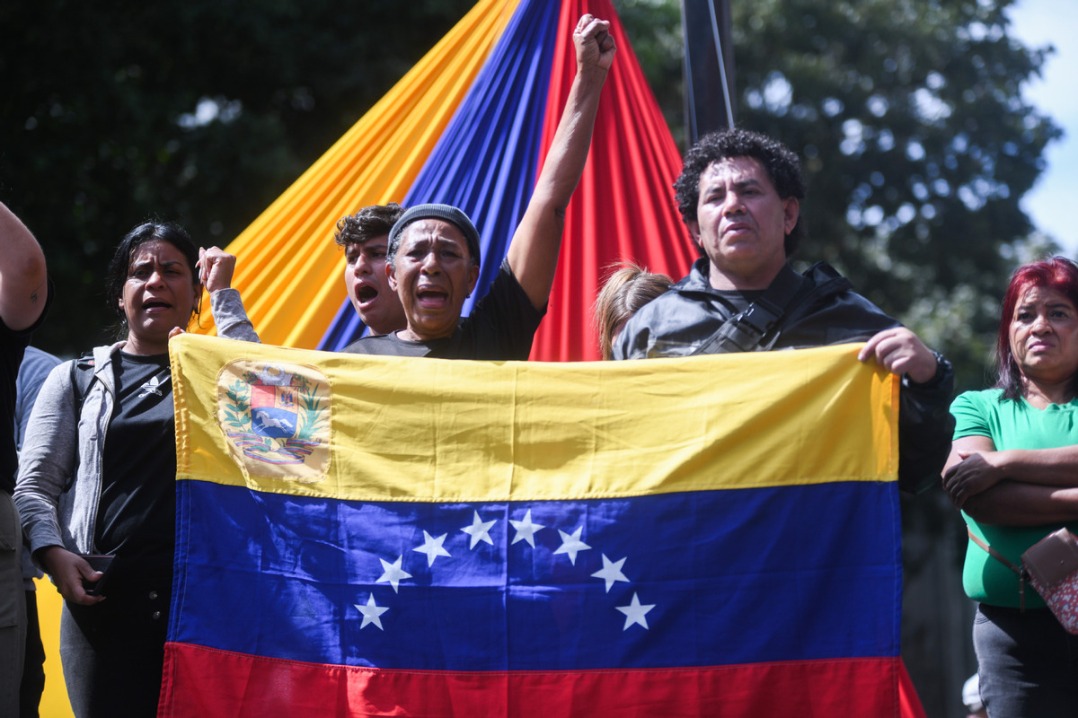
In Caracas, while a few hundred Maduro supporters gathered to clamor for his freedom, the streets were otherwise eerily quiet.
"I felt the explosions lift me out of bed," Maria Eugenia Escobar, 58, told Agence France-Presse. "In that instant I thought: 'My God, the day has come,' and I cried."
The strikes started around 2 am, with dozens of detonations that some people at first mistook for fireworks.
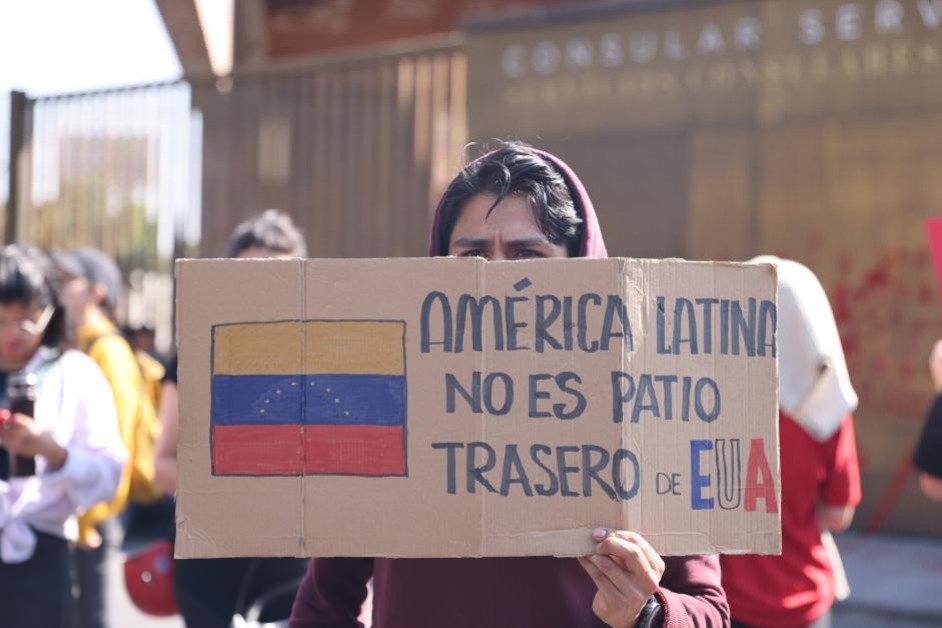
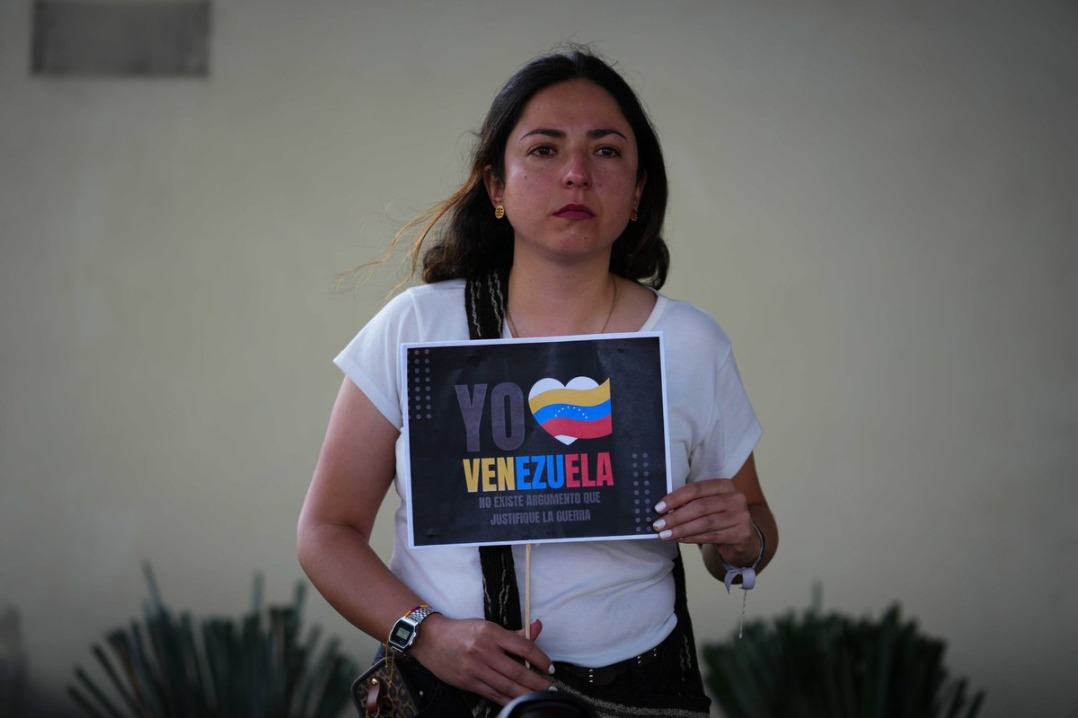
Katia Briceno, a 54-year-old university professor, came out to protest against US "barbarism".
"How is it that a foreign government comes into the country and removes the president? It's absurd!" she told AFP.
Agencies via Xinhua