


Where statues sway in the wind
Xiaoxitian Temple's suspended sculptures come alive in a landmark Beijing exhibition blending ancient artistry with technology, Wang Kaihao reports.









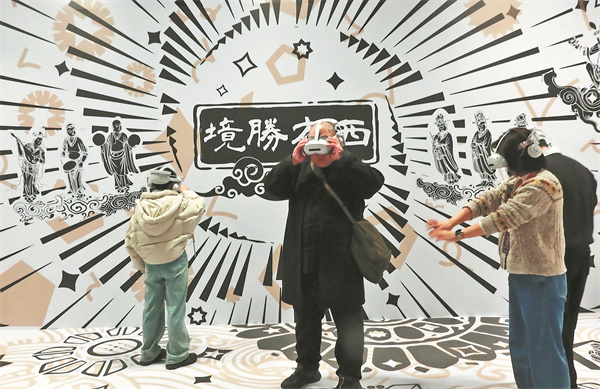
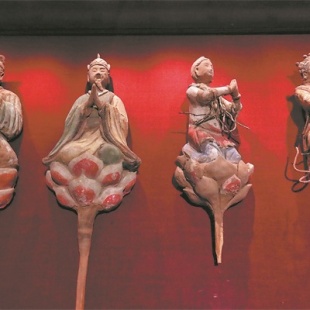
This unique and intricate Chinese form of three-dimensional sculptural art is primarily found in ancient religious architecture. Unlike statues that are usually found attached to walls or standing on the ground, suspended sculptures are crafted to appear as if they are "floating" in midair, often attached to ceilings, beams, or upper sections of halls.
Perhaps that is why suspended sculptures are typically used to depict divine figures and mythical scenes that are close to "heaven".
"Suspended sculptures in Xiaoxitian hold significant value in the areas of architecture, sculpture, painted decorations, religious art, and folk culture," says An Hai, curator of the exhibition and deputy director of the Shanxi provincial institute for protection and research of ancient architecture, painted sculptures and murals.
"The perspective and dynamic arrangements create a sense of depth and movement, and enhance the spiritual and visual impact of the space," An says. "The sculptures are ostentatious, but they are organized and highly detailed.
"The full hall of suspended sculptures brings Buddhist cosmology into a visible form," he explains. "It's thus a precious cultural heritage where belief, artistic expression, and craftsmanship are highly integrated."
The sculptures are skillfully attached to the wall with iron wires, which reflects the rapid development of iron-processing technology in the Ming era that helped create a boom period for suspended sculptures.