


Innovative consumption key to sustained growth









China has intensified efforts to innovate consumption scenarios, responding to growing public expectations for a better quality of life while injecting fresh momentum into economic restructuring and the development of new quality productive forces.
Unlike traditional consumption scenarios, which were largely seen as simple physical spaces for the exchange of goods, today's "new consumption scenarios" are far more dynamic and diversified. They are defined as an integrated system that combines new business formats, models and products, marking a shift from transaction-oriented activities to experience-driven value creation. Consumption, in this context, is no longer limited to the act of purchasing goods, but increasingly reflects the pursuit of emotional fulfillment, social belonging and expressing personal identity.
Specifically, new consumption scenarios take shape through both the upgrading of traditional consumption and the expansion of emerging sectors. Traditional sectors such as dining and retail have been revitalized through greater cultural integration, with examples ranging from intangible cultural heritage-themed restaurants to immersive China-chic, or fashion stores. In parallel, emerging fields including cultural tourism, eldercare and community services are expanding rapidly, with distinctive, quality-oriented scenarios such as smart senior-care communities gaining traction.
From the perspective of business models, new consumption scenarios evolve from single formats into integrated ecosystems that connect physical and virtual spaces, and link online platforms with offline venues. In physical settings, comprehensive consumption hubs such as urban blocks, scenic areas and commercial complexes are emerging. In virtual settings, digital technologies enable new experiences, including virtual reality shopping and virtual cultural tourism.
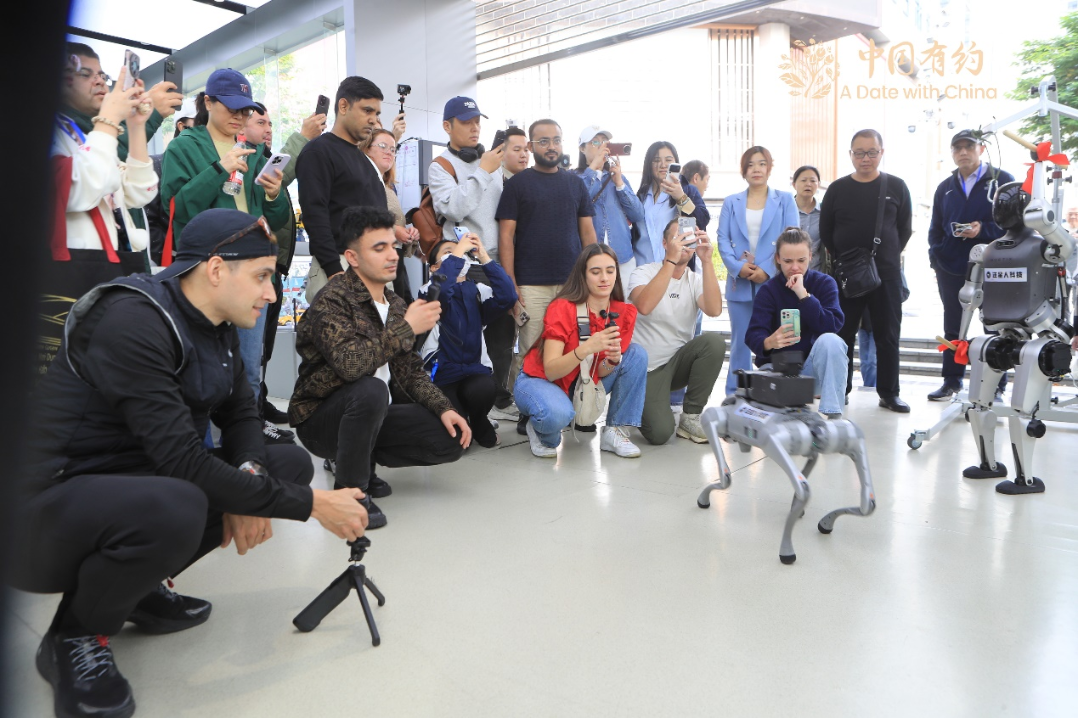
Next-generation information technologies have become a core driving force for innovation in consumption scenarios. Data-driven tools enable businesses to better tailor their offerings, while artificial intelligence streamlines service processes, and virtual reality and augmented reality deliver more immersive experiences. Together, these technologies not only improve efficiency and user engagement, but also reshape consumption from a passive service model into a more proactive and personalized experience.
Alongside technological upgrades, new consumption scenarios are increasingly shaped by immersive experiences. Drawing on historical heritage and local culture, these settings resonate emotionally with consumers and encourage active participation. Consumers no longer simply purchase goods or services, but engage in interactive experiences that strengthen their sense of identity. At the same time, stronger social features turn these scenarios into platforms for community building, where shared interests generate stronger customer stickiness and sustained engagement.
In response to younger consumers' growing focus on experience and individuality, new consumption scenarios emphasize customized service capabilities. From personalized products to adaptive services, a "one-consumer, one-solution "approach is adopted, as seen in bespoke fashion workshops and customized wellness programs. This targeted practice not only improves consumer satisfaction, but also promotes the upgrading of consumption toward higher quality.
Moreover, new consumption scenarios embrace low-carbon and environmentally responsible principles, aligning with the broader shift toward green consumption. By promoting eco-friendly products, upgrading energy-saving facilities and encouraging circular practices, a range of green consumption spaces takes shape, including electric vehicle experience centers and environmentally themed restaurants. Stronger recognition of green values among younger consumers lends these scenarios both social relevance and market appeal.
Against the backdrop of rapid digital advances and upgrading consumer demand, innovation in consumption scenarios is driving the evolution of the consumer ecosystem, making it more dynamic, inclusive and sustainable, and injecting stronger momentum into market development.
First and foremost, innovating consumption scenarios helps unlock emotional value and broaden the boundaries of demand. Settings such as nostalgia-themed restaurants and retro markets stimulate consumer interest by triggering emotional resonance, turning simple transactions into richer, experience-driven interactions. At the same time, this process responds to more personalized needs. By moving beyond standardized supply, more refined experiences emerge for different consumer groups, shifting the consumption ecosystem toward more targeted and segmented offerings and activating latent demand.
Second, innovating consumption scenarios integrates industries and enriches the overall consumption ecosystem. Concerts, sporting events and similar activities have shifted from stand-alone experiences to integrated hubs linking tourism, dining, accommodation and retail. In many cities, policies allowing free access to attractions with event tickets have strengthened ties between live performances and cultural tourism, stimulating demand for related services. At the same time, such innovation accelerates the integration of online and offline channels, as well as virtual and physical spaces. Technologies such as VR tourism enable users to explore destinations online while guiding them to offline sites, expanding consumption access and improving convenience.
Third, innovation in consumption scenarios enhances consumer experiences through immersive technologies such as VR, AR and AI.In digital cultural venues, for example, visitors interact with cultural relics through AR, raising satisfaction and fostering the growth of culture-oriented consumption scenarios. Digital innovation in consumption scenarios also streamlines consumption processes by reducing time expenditure, while AI-enabled customer service and online after-sales support improve service efficiency, promoting a more efficient and people-centered consumption ecosystem.
Fourth, innovation in consumption scenarios helps strengthen the protection of consumer rights. Digital consumption environments provide important technical support for regulation, with big data enabling product traceability and reinforcing efforts to combat counterfeit or substandard goods. Online rating systems and rapid complaint-handling mechanisms further enhance the convenience and efficiency of consumer rights protections.
Finally, innovating consumption scenarios helps foster a greener and more sustainable consumption ecosystem. For instance, battery-swapping services for new energy vehicles reduce pollution from traditional fuel use, while second-hand trading platforms promote circular consumption by circulating underused or outdated goods through trade-in programs for household appliances and improving resource efficiency. At the same time, green dining practices, including cutlery-free delivery, smaller portion choices and the use of environmentally friendly packaging, further integrate low-carbon concepts into consumption processes and support more sustainable development.
Overall, innovation in consumption scenarios plays an important role in reshaping the consumer ecosystem, expanding domestic demand and promoting green development. Yet challenges remain, including an overemphasis on visual effects over the practical application of technology, uneven development between urban and rural areas and lagging industry standards. These issues require sustained efforts to address.
The writer is director and senior researcher at the Consumer Finance Research Center of the Xingtu Financial Research Institute. This article was originally published on the Sina Finance column.
The views do not necessarily reflect those of China Daily.