



National adviser calls for enhanced air quality, carbon reduction monitoring









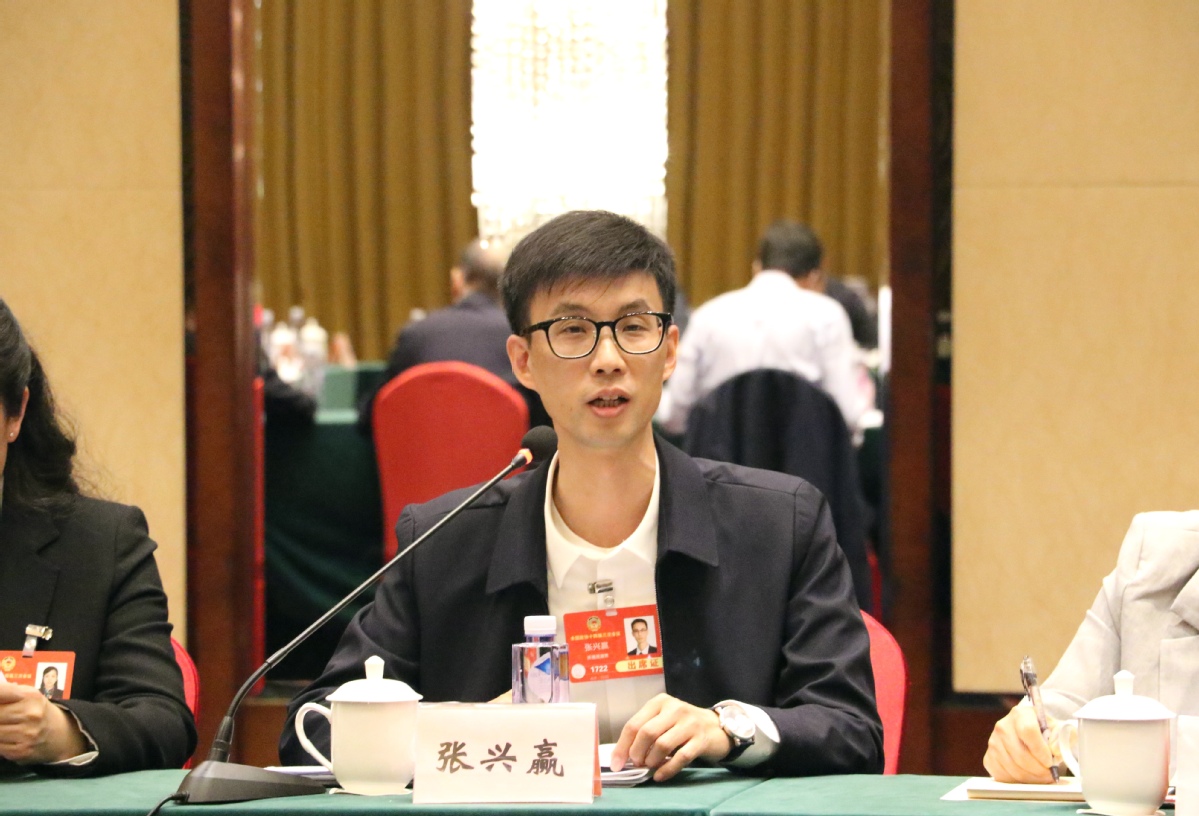
The coordinated monitoring and evaluation of air quality and carbon reduction must be enhanced to ensure fundamental improvements in ecological conditions while achieving carbon peaking and neutrality goals, a national political adviser said.
Zhang Xingying, a member of the 14th National Committee of the Chinese People's Political Consultative Conference, proposed the integration of pollution reduction, carbon mitigation, environmental greening, and economic growth to drive the country's green transformation.
Zhang, also the deputy director of the Department of Science and Climate Change at the China Meteorological Administration and government representative to the Intergovernmental Panel on Climate Change (IPCC), emphasized the inherent synergy between air quality improvement and carbon reduction.
"Atmospheric pollutants and greenhouse gas emissions share the same sources and processes, so their reduction is inherently interconnected," Zhang said, highlighting the importance of high-quality monitoring and evaluation to measure progress and inform policies effectively.
Currently, China has established an air quality monitoring network comprising 1,734 urban air quality monitoring stations, 12,000 county-level monitoring hubs and 204 high-precision greenhouse gas monitoring stations.
Additionally, over 25,000 key industrial enterprises are required to conduct emissions monitoring, though greenhouse gas tracking remains largely limited to the power and steel industries.


- Chinese researchers develop computational framework to study aging
- China launches pilot program for AI ethics review, services
- Birdwatching enthusiasts work with local authorities in Qinhuangdao
- Health authorities: No risk of Hantavirus transmission in Yibin
- Chinese premier chairs State Council executive meeting
- Xinjiang to leverage energy resources to meet national goals





