



Kekeya green project: A man-made miracle
chinadaily.com.cn |
Updated: 2018-10-18 08:42


Share



Share - WeChat




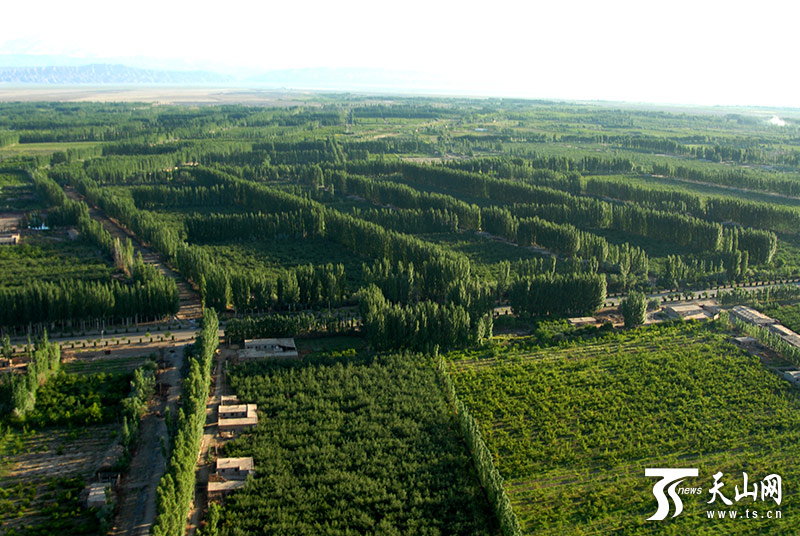
On the northwestern side of the Taklimakan Desert, the world's second-largest shifting sand desert, stands a man-made forest spreading across about 66,667 hectares.
This forest is the Kekeya green project, also a boundary dividing desert and green space in Aksu, Northwest China's Xinjiang Uyghur autonomous region.
Aksu launched the Kekeya green project in 1986 to change the harsh natural conditions. For over 32 years, four million people, including soldiers, students, teachers, civil servants and residents, kept on planting trees, creating a "green Great Wall" 25 kilometers long and four kilometers wide.
The green project has been set as a model of ecological restoration in China.


- Visitors embrace Wuhan's tech-led factory tourism
- SPC urges personal data infringement crackdown
- Nation to assess Beautiful China implementation
- New project aids Xinjiang's energy goals
- One year on, new marriage rules deliver a nuptial uptick and spending boost
- China launches robotic cargo mission to space station





